Plate 01
Plan Maintenance Before Equipment Fails
Key Capabilities
- 1Planned Maintenance Scheduling
- 2Running Hour-Based Maintenance
- 3Calendar-Based Maintenance
- 4Maintenance Forecasting
- 5Maintenance Calendar
- 6Automated Reminders
Planned Maintenance System
Managing fleet maintenance is about more than scheduling jobs. It’s about keeping equipment’s reliable, reducing operational risks, maintaining compliance, and ensuring every vessel is ready to perform.
Our Planned Maintenance System brings together maintenance planning, work execution, equipment management, vessel and office collaboration, spare parts control, and compliance into one connected solution—giving technical teams complete visibility and control across the fleet.
The problem
Technical teams often manage maintenance across multiple vessels using disconnected spreadsheets, emails, paper records, and standalone systems. As fleets grow, this creates challenges that directly impact operational efficiency.
A centralized maintenance platform eliminates these challenges by connecting vessels, technical offices, equipment’s, maintenance records, and operational data within a single system.
Description
Plate 01
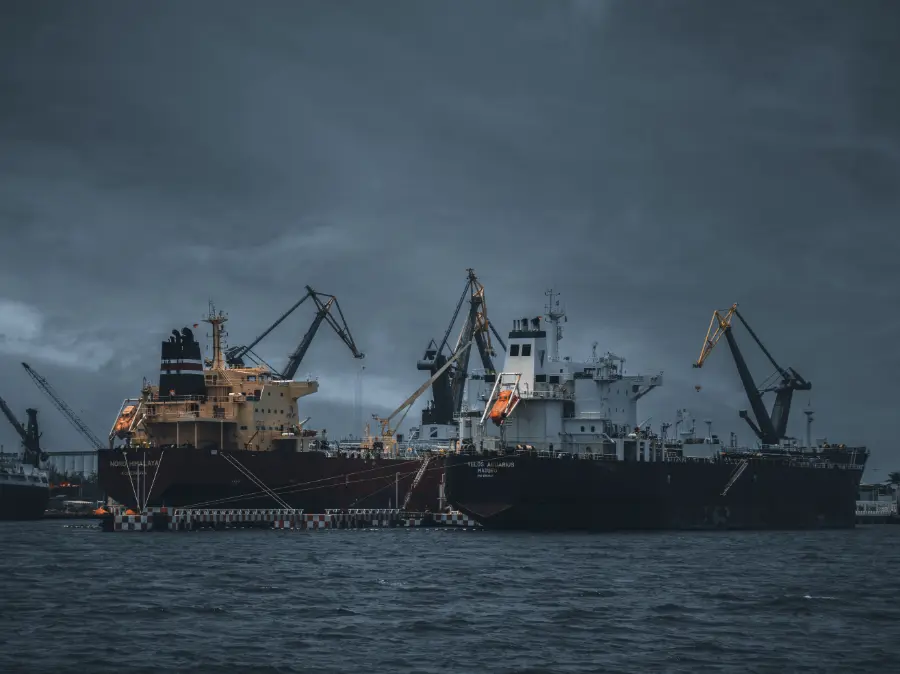
Unexpected failures often begin with missed maintenance.
Schedule preventive maintenance on running hours, calendar intervals, equipment counters, or OEM recommendations. Automated scheduling, forecasting, and reminders keep every planned activity on track and cut overdue maintenance.
Plate 02
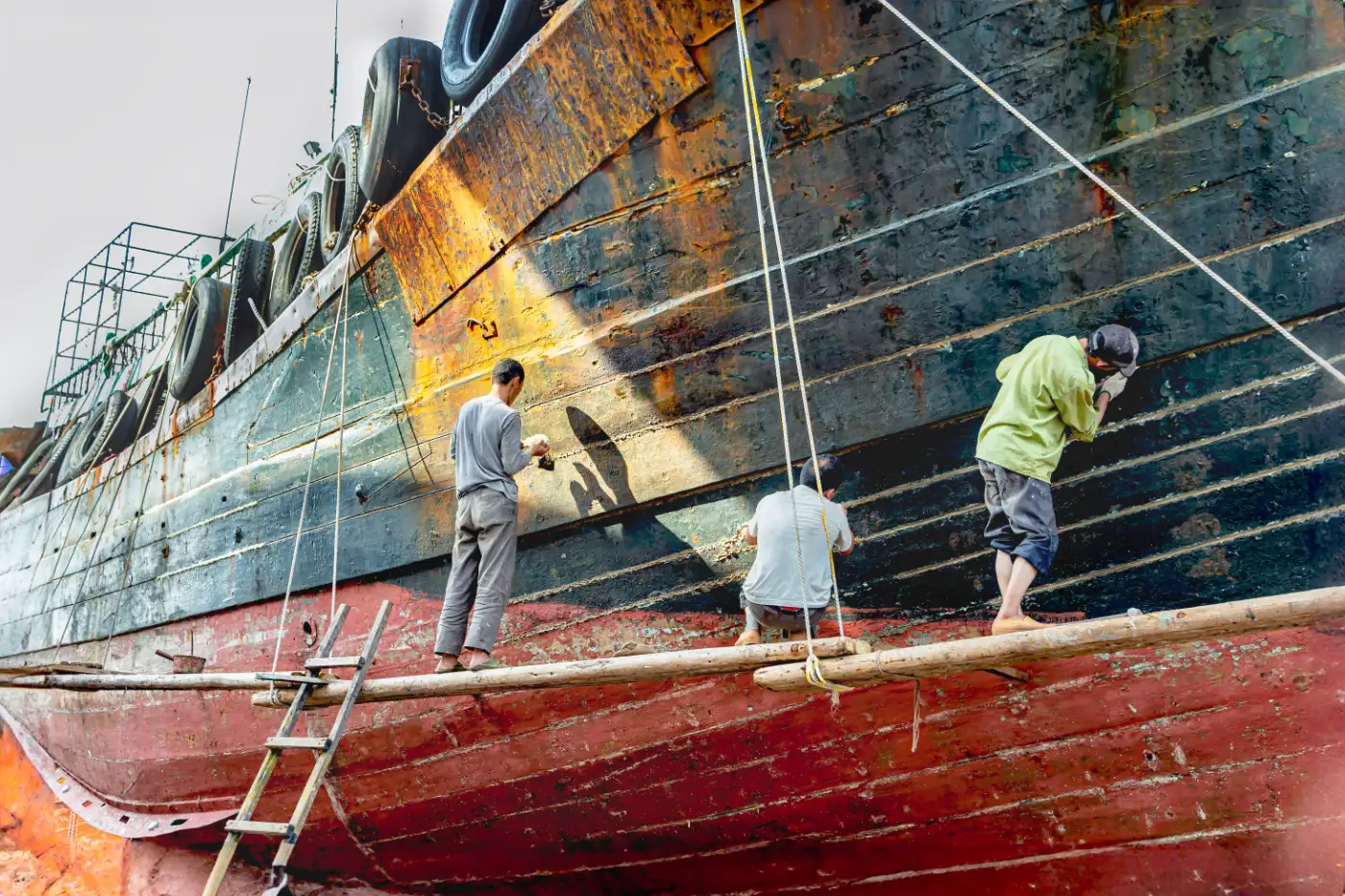
Maintenance shouldn’t disappear into paperwork or email chains.
Digitize work orders end to end — structured workflows, approvals, maintenance logs, complete job histories. Every planned and corrective activity stays traceable, with full accountability across vessels and offices.
Plate 03
Technical Superintendents need more than reports—they need real-time operational visibility.
Monitor progress across every vessel, exchange technical documents, review completed work, and message vessel-to-office in one system. Everyone works from the same information, so delays fall and coordination improves.
Plate 04
Every maintenance decision is only as good as the information behind it.
Keep one equipment register: machinery hierarchy, manufacturer information, relevant spare parts, technical documentation, service history, maintenance records, and critical equipment classification. Complete lifecycle visibility for every onboard asset.
Plate 05
Accurate maintenance starts with accurate operating data.
Capture running hours, equipment counters, and meter readings so maintenance triggers on actual usage rather than estimates. Historical readings reveal equipment utilization and maintenance trends.
Plate 06
Maintenance delays often happen because the required parts aren’t available.
Connect spare parts inventory to planned maintenance: track stock availability, manage consumption, generate purchase enquiries, and complete maintenance without unnecessary downtime.
Plate 07
Drydocking involves multiple stakeholders, strict timelines, and hundreds of maintenance activities.
Plan work packages, track progress, manage documentation, and coordinate vessels, technical offices, shipyards, and service providers from one platform.
The plates
Plate 01
Key Capabilities
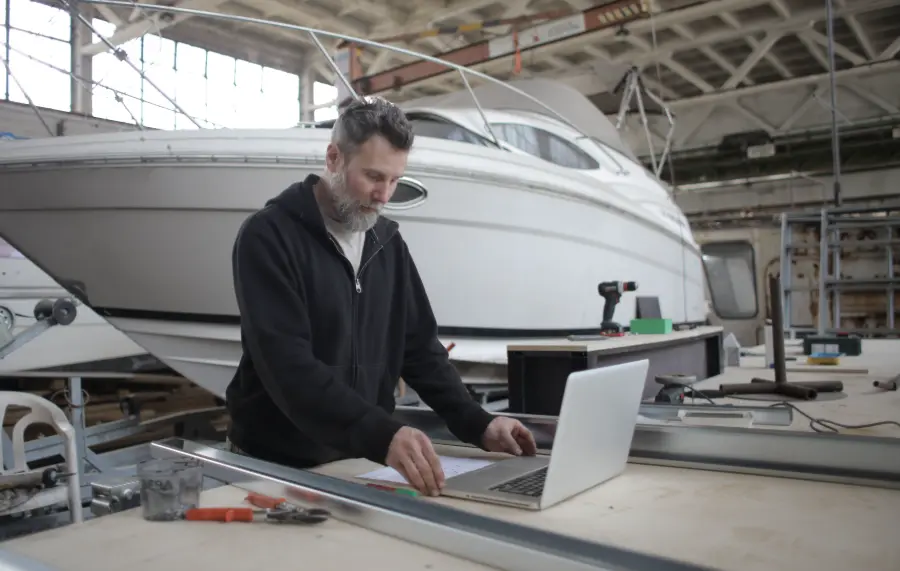
Plate 02
Key Capabilities
Plate 03
Key Capabilities
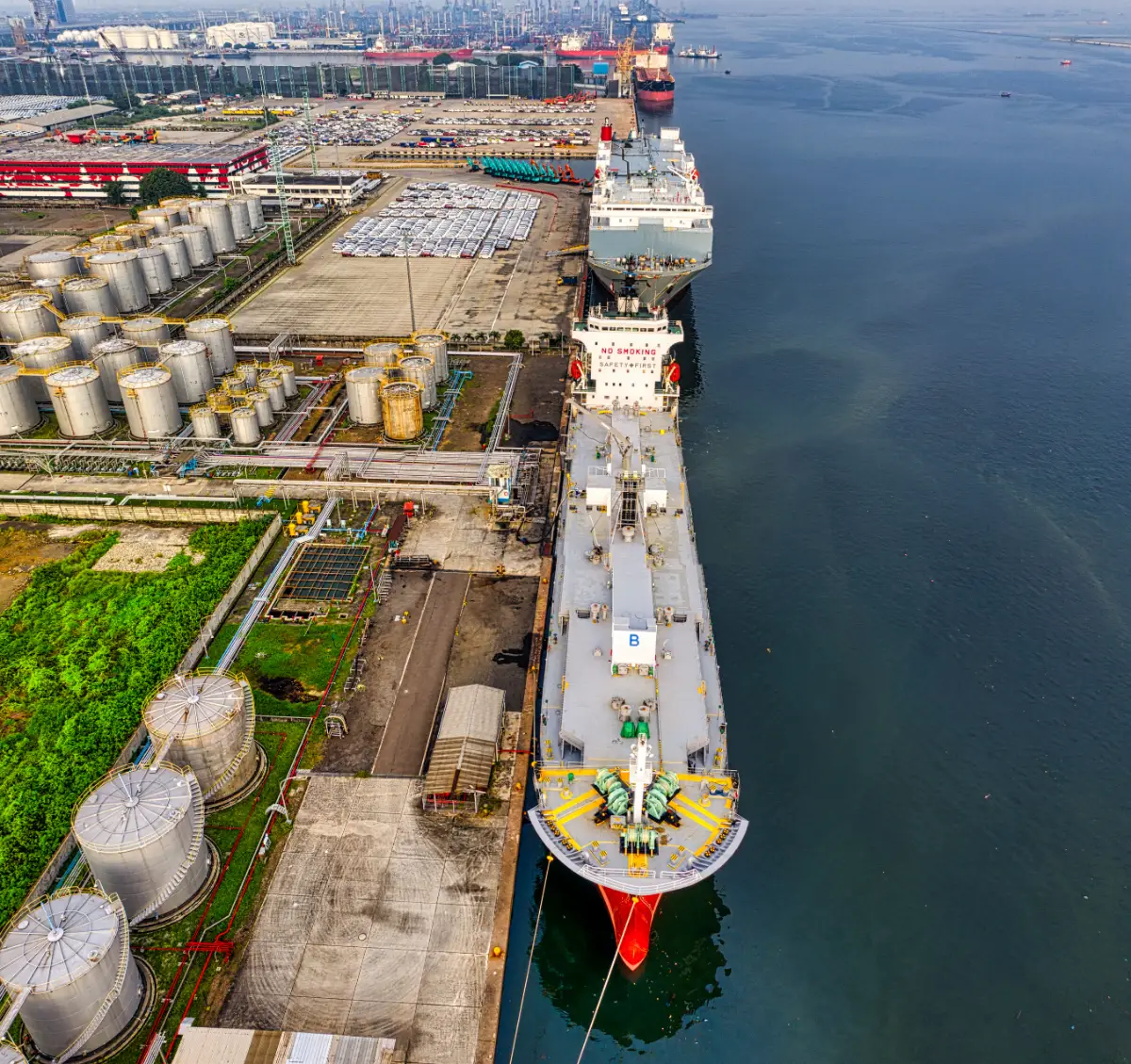
Plate 04
Key Capabilities
Plate 05
Key Capabilities
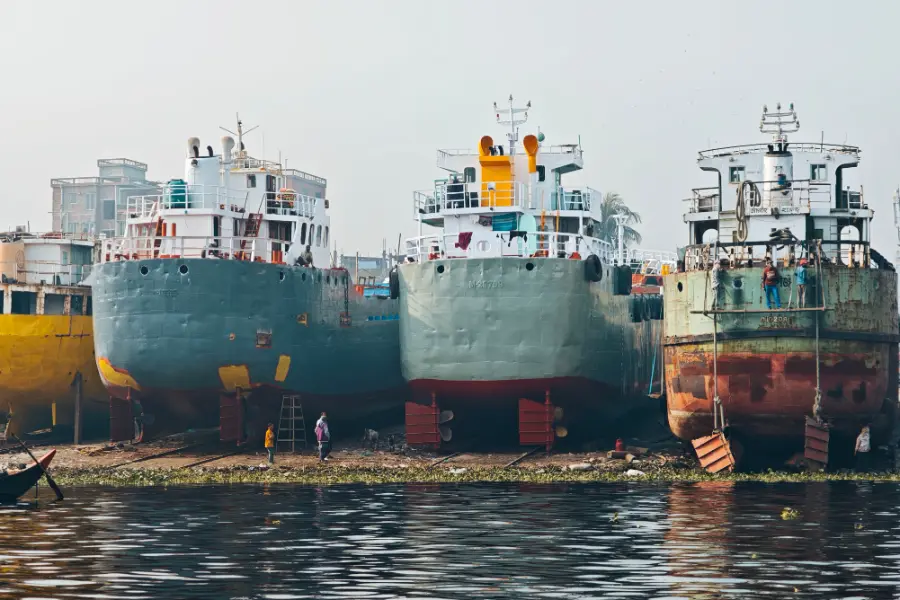
Plate 06
Key Capabilities
Inspection readiness
Inspection readiness shouldn’t begin when an audit is announced.
Maintain organized maintenance records, work orders, equipment history, technical documentation, and complete audit trails that support ISM Code compliance, Class Surveys, Flag State inspections, Port State Control (PSC), vetting inspections, and internal technical audits.
With every maintenance activity securely documented, your team can respond confidently to inspections while reducing the effort required to prepare supporting evidence.
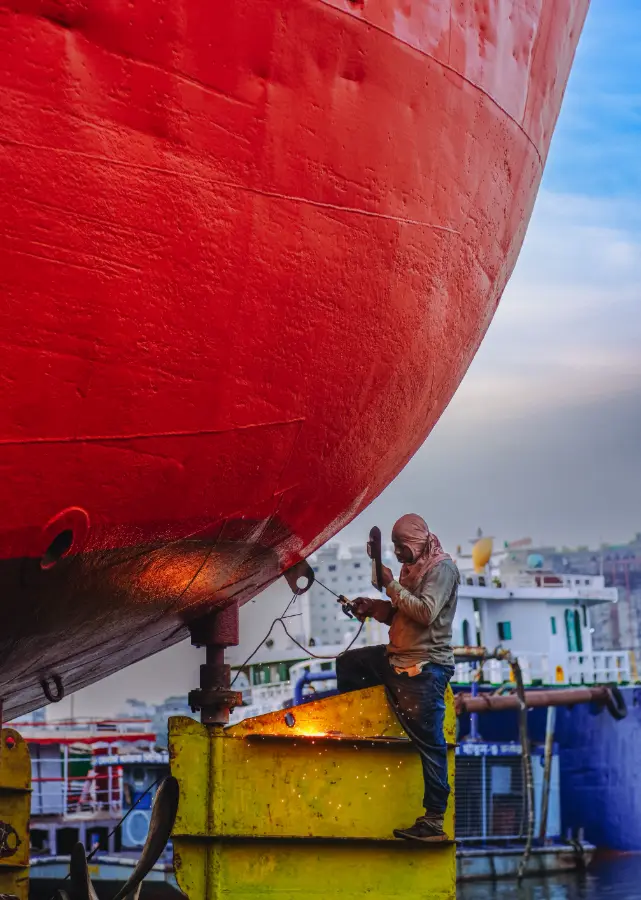
Plate 07
Key Capabilities
Notes
Whether managing five vessels or five hundred, the platform scales with your operations while providing the flexibility required by modern maritime organizations.
Deployment
Deploy the solution in the environment that best fits your IT and operational requirements. Whether hosted within your own infrastructure or managed by Ashvad, the platform provides the same enterprise-grade security, scalability, and performance.
Deployment Models
Applicability
In closing
Maintenance is more than keeping equipment running—it’s about protecting operational continuity, ensuring compliance, and maximizing asset performance throughout the vessel lifecycle.
With a centralized Planned Maintenance System, every maintenance schedule, work order, equipment record, spare part, inspection document, and technical communication is managed from a single platform. The result is better coordination between vessels and shore teams, improved maintenance visibility, stronger compliance, and more informed technical decisions across the fleet.
Ready to transform your maintenance operations?